The Importance of Surgical Forceps in Modern Medicine
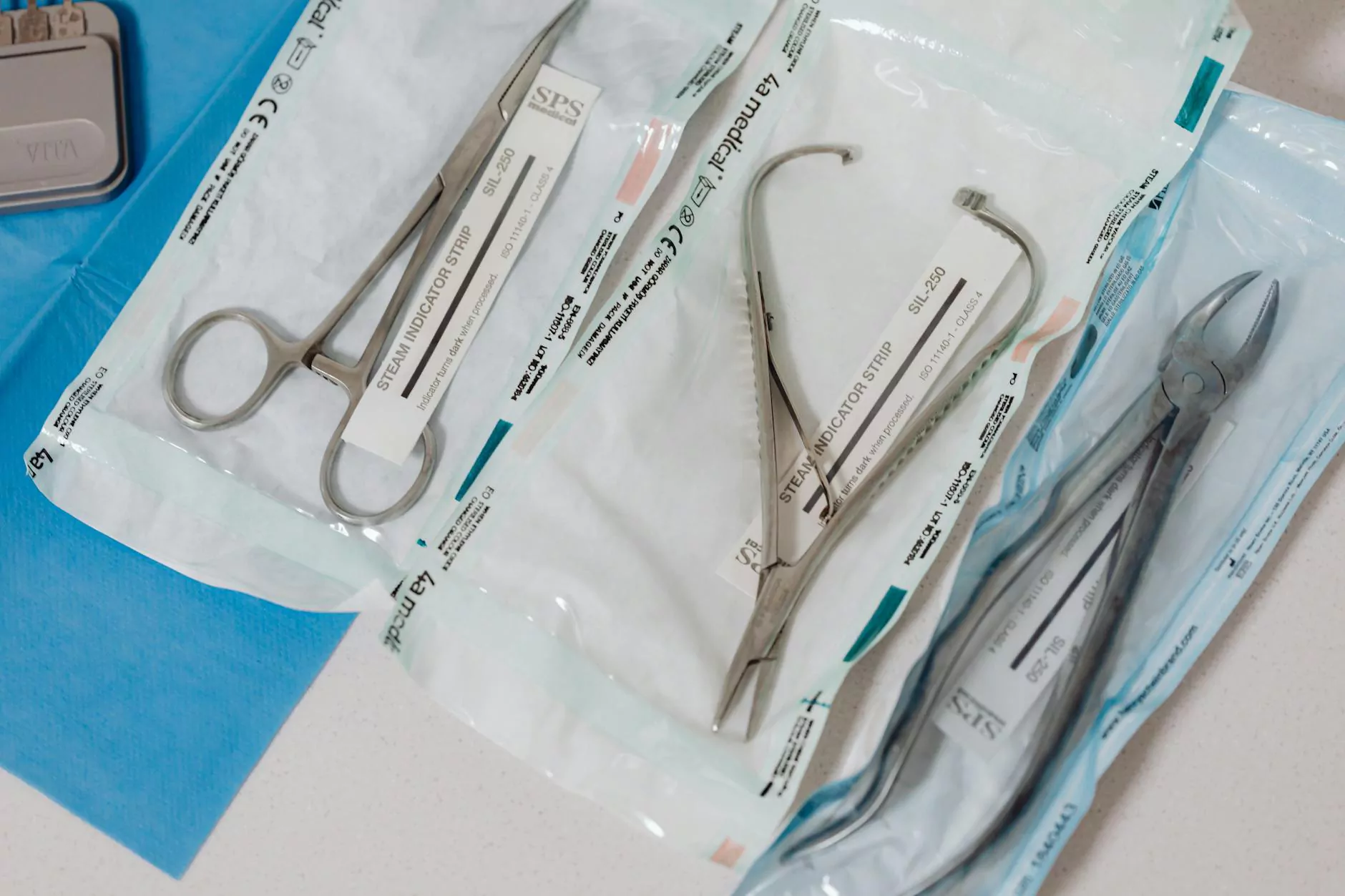
The field of medicine has evolved remarkably over the centuries, continuously improving the tools and techniques used to provide patient care. Among these indispensable instruments are surgical forceps, which play a critical role in numerous medical procedures. In this extensive article, we will delve deep into the world of surgical forceps, examining their various types, uses, and significance in the healthcare sector.
Understanding Surgical Forceps
Surgical forceps are handheld instruments used by medical professionals to grasp, hold, or manipulate tissues and organs during surgical procedures. They are essential for various clinical applications, providing physicians with precision and control over the surgical field. Their design has been fine-tuned to ensure functionality and ease of use, making them a staple in operating rooms around the globe.
The Evolution of Surgical Forceps
The history of surgical instruments can be traced back to ancient civilizations. Early examples of forceps were rudimentary, often made from wood or bronze. As medicine advanced, so did the design and material of these tools. Today, surgical forceps are crafted from high-grade stainless steel and may feature various coatings to enhance their durability and performance.
Key Innovations in Design
- Ergonomic Designs: Modern forceps are designed to reduce hand fatigue, allowing surgeons to maintain precision during extended procedures.
- Specialized Tip Shapes: The tips of forceps can be straight, curved, or angled, each serving a specific purpose for different surgical scenarios.
- Locking Mechanisms: Some forceps feature a locking capability, which allows them to maintain a grip on tissues without continuous manual pressure, freeing the surgeon's hands for other tasks.
Types of Surgical Forceps
There are numerous types of surgical forceps, each designed for specific applications in surgical procedures. Understanding these types is crucial for medical professionals and surgical teams.
1. Tissue Forceps
Tissue forceps are primarily used to hold and manipulate tissues. They come in various designs such as:
- Adson Forceps: Known for their fine toothed tips, ideal for delicate tissues.
- Russian Forceps: These have rounded tips, making them suitable for grasping larger sections of tissue, especially in more robust areas of the body.
- Debakey Forceps: Renowned for their longitudinal grooves, which provide a non-slip grip on tissues.
2. Hemostatic Forceps
These forceps are designed to control bleeding by clamping blood vessels. They are essential in almost every surgical procedure:
- Crile Forceps: Straight or curved, these are used for clamping larger blood vessels.
- Kelly Forceps: Similar to Crile but with a wider jaw, used for both hemostasis and tissue manipulation.
- Vascular Forceps: Specifically designed for vascular surgeons to manipulate blood vessels safely.
3. Grasping Forceps
Grasping forceps are crucial in many surgical procedures for holding organs or tissues:
- Allis Forceps: With sturdy teeth, they prevent tissue slippage and are commonly used in abdominal surgeries.
- Pennington Forceps: These are triangular and help in grasping soft tissues securely.
- Babcock Forceps: Designed to hold delicate tissue with minimal trauma, making them perfect for use in operations like bowel surgeries.
The Role of Surgical Forceps in Patient Safety
Incorporating the right tools in surgery greatly impacts patient safety and outcomes. Surgical forceps help minimize tissue damage, reduce blood loss, and enhance the surgeon’s ability to perform precise maneuvers. As a consequence, the duration of surgeries can be shortened, recovery times may also decrease, and overall patient satisfaction can improve.
Minimizing Complications
The use of high-quality surgical forceps significantly reduces the risk of complications during surgeries. Accurate clamping of blood vessels can prevent excessive bleeding, and proper tissue manipulation minimizes the risk of tearing or damaging critical structures.
Training and Proficiency
Surgeons and surgical teams undergo extensive training to master the use of surgical forceps. Proficiency with these tools ensures that interventions are performed effectively and safely. Surgical education programs emphasize the importance of these tools in surgical techniques, preparing future surgeons to make informed decisions during procedures.
Conclusion: Embracing the Future of Surgical Forceps
The realm of surgery is continually evolving, with groundbreaking innovations shaping the tools that healthcare professionals rely on. Surgical forceps remain a fundamental component of surgical kits worldwide, embodying an essential blend of design, function, and safety. As technology progresses, we can expect to see new and improved surgical forceps that will further enhance surgical efficiency and patient care.
Why You Should Choose Grey Medical for Your Surgical Forceps
At grey-medical.com, we prioritize quality and innovation in our medical instruments, including surgical forceps. Our products are carefully crafted to meet the high standards demanded in the medical field, ensuring that healthcare professionals can perform their duties effectively and safely.
We offer a wide range of surgical forceps suitable for various surgical applications, all backed by our commitment to excellence and customer satisfaction. Explore our inventory today and discover the difference quality instruments can make in your practice.
Contact Us For More Information
If you have questions about our products or need assistance in selecting the right surgical forceps for your needs, please contact us. Our team of experts is ready to support you in providing the best possible care to your patients.