Understanding Final Drives for Excavators
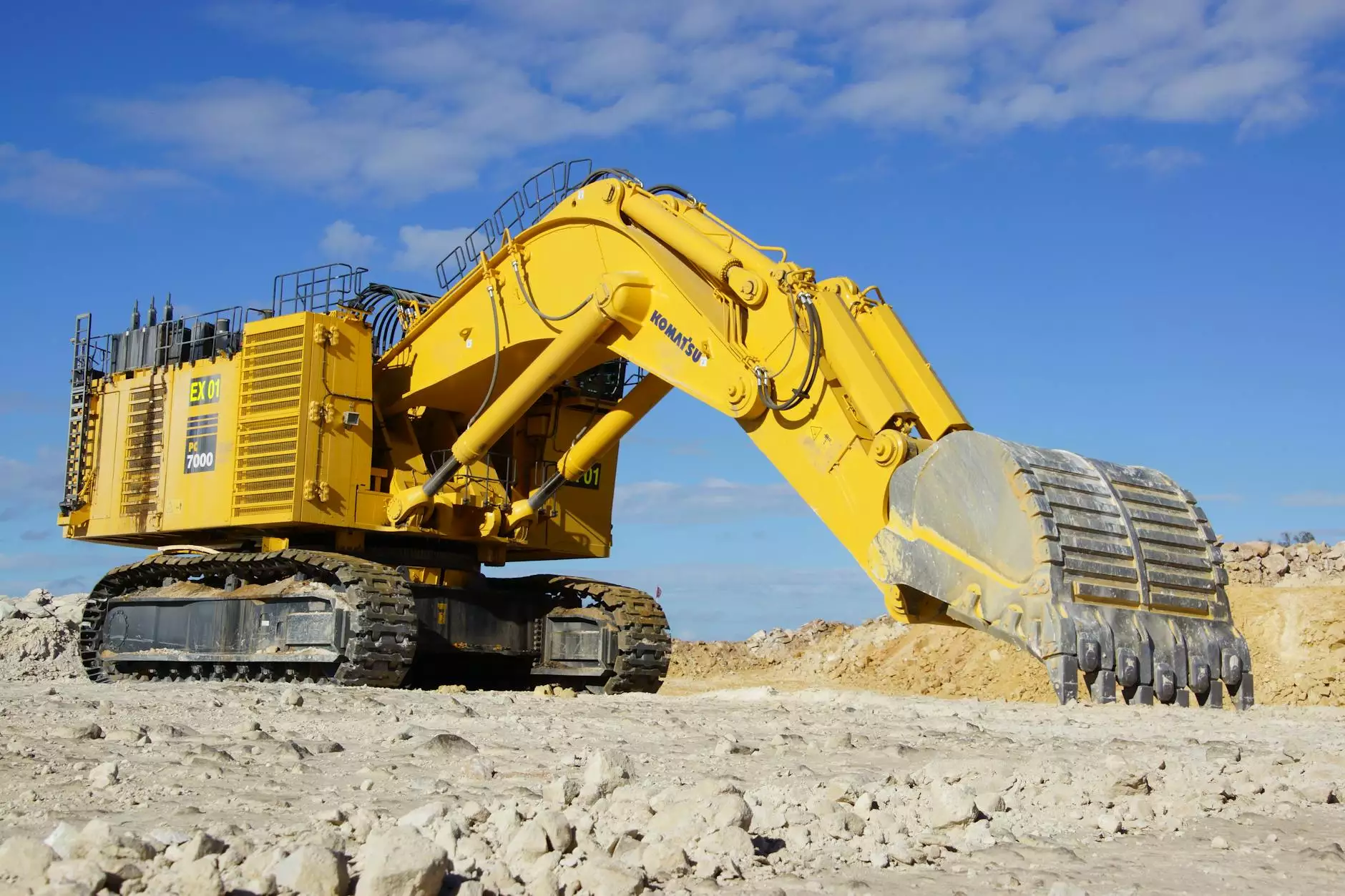
Final drives for excavators are crucial components that enable these powerful machines to perform various tasks efficiently. They play a vital role in converting the hydraulic energy generated by the excavator into the mechanical energy needed to move the tracks. In this detailed guide, we will delve deep into the world of final drives, their types, maintenance, and selection tips. This comprehensive article is crafted to provide you with valuable insights into ensuring your excavator operates at its best.
The Functionality of Final Drives
Final drives are a key part of the drivetrain of excavators, functioning to transmit power from the motor to the tracks. They consist of several components, including gears, bearings, and hydraulic systems, all working in harmony. Here’s how they function:
- Power Transfer: The engine generates power, which is transmitted via hydraulic pumps to the final drive.
- Speed Reduction: Final drives reduce the engine speed to a manageable level for the tracks through gear systems.
- Torque Increase: They amplify the torque, allowing excavators to lift heavy loads and operate under harsh conditions.
The Importance of Quality Final Drives
Investing in high-quality final drives for excavators is essential for anyone in the construction or excavation industry. Here are a few reasons why:
- Improved Efficiency: High-performance final drives can significantly enhance the overall efficiency of your excavator, reducing operational costs.
- Increased Durability: Quality components are designed to withstand heavy loads and harsh environments, ensuring longevity.
- Better Performance: A well-functioning final drive translates to improved machine performance, resulting in faster job completion times.
Types of Final Drives for Excavators
Not all final drives are created equal. Understanding the different types available is key to making the right selection for your excavator:
1. Gear Type Final Drives
Gear type final drives utilize a series of gears to transfer power. They are known for their robustness and ability to handle high torque loads. These are commonly used in larger excavators performing heavy-duty tasks.
2. Planetary Final Drives
Planetary drives offer a compact design with multiple gear sets that increase torque while minimizing size and weight. This design is optimal for versatility and efficiency.
3. Hydraulic Final Drives
These final drives utilize hydraulic motors to drive the tracks. They are often preferred for their smooth operation and ability to provide variable speeds and torque.
Key Features to Consider When Choosing Final Drives
Selecting the right final drives for excavators requires careful consideration of several key features:
- Compatibility: Ensure that the final drive is compatible with your specific excavator model.
- Load Capacity: Assess the load capacity requirements based on the tasks you'll be performing.
- Efficiency Ratings: Look for final drives that offer higher efficiency ratings to maximize productivity.
- Manufacturer Reputation: Choose brands known for reliability and quality to ensure a long-lasting product.
Maintenance of Final Drives for Optimal Performance
To ensure that your final drives for excavators continue to operate effectively, routine maintenance is critical. Here are some maintenance tips:
Regular Inspections
Conduct routine inspections to check for leaks, cracks, and other signs of wear and tear. Early detection of issues can prevent costly repairs down the line.
Fluid Levels
Maintain appropriate hydraulic fluid levels to ensure smooth operation. Low fluid levels can lead to overheating and premature failure of the final drive.
Cleaning and Lubrication
Keep the final drive clean from dirt and debris. Additionally, proper lubrication of moving parts is essential to minimize friction and wear.
Troubleshooting Common Final Drive Issues
Understanding potential issues can help you troubleshoot problems effectively:
- Excessive Noise: Usually indicates a lack of lubrication or wear. Inspect and lubricate as needed.
- Reduced Performance: May suggest wear in the gears or a hydraulic issue. Investigate and rectify promptly.
- Overheating: Often caused by low fluid levels; check the fluid and add as necessary.
Conclusion: Investing in Quality Final Drives
In conclusion, the final drives for excavators are integral to the functionality and reliability of these machines. By understanding their importance, recognizing the different types, and adhering to maintenance best practices, you can ensure that your excavator operates efficiently and effectively. Whether you are looking to purchase new final drives or maintain existing ones, always prioritize quality and compatibility to achieve optimal results.
For all your excavator parts needs, visit Shop Hydraulic America. We specialize in high-quality auto parts and supplies, including durable final drives for excavators, ensuring maximum uptime and productivity for your projects.