Understanding Tooling Molds and Their Importance in Metal Fabrication
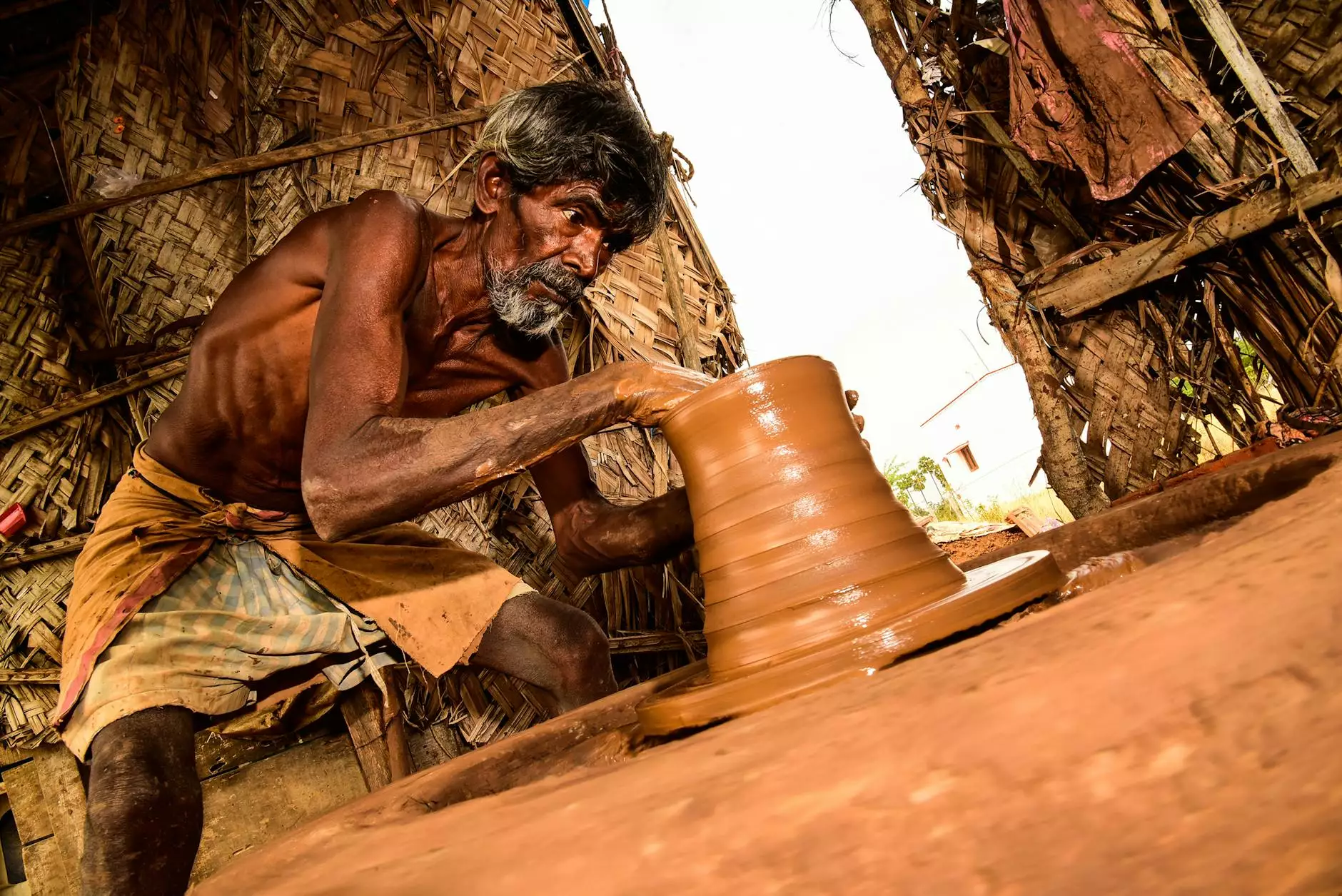
In the world of metal fabrication, several crucial components come into play when producing high-quality products. Among these, tooling molds stand out as essential tools that help manufacturers create precise and intricate components efficiently. In this extensive guide, we will delve into the characteristics, benefits, and various applications of tooling molds, aiming to equip you with the knowledge to appreciate their value in the fabrication industry.
What Are Tooling Molds?
Tooling molds refer to specialized tools that are used to shape and form materials, typically metals, into desired configurations. These molds are designed to facilitate manufacturing processes, such as casting, injection molding, and stamping. The efficiency and accuracy provided by tooling molds make them invaluable in producing components that frequently require high levels of precision.
Types of Tooling Molds
In metal fabrication, a variety of molds are utilized depending on the application and the material being processed. Below are some of the most common types of tooling molds:
- Injection Molds - Used for injection molding processes where molten metal is injected into a mold cavity to create complex shapes.
- Die Molds - Employed in die casting, where metals are poured into a die under high pressure.
- Compression Molds - Created for compression molding processes which involve shaping materials using heat and pressure.
- Blow Molds - Utilized in creating hollow plastic parts, but can also be adapted for some metal applications.
- Transfer Molds - A combination of injection and compression methods, often used for thermoset materials.
The Advantages of Tooling Molds in Metal Fabrication
The use of tooling molds in metal fabrication presents several significant advantages:
- Precision: Tooling molds are designed to create parts with high levels of accuracy, ensuring that each piece meets strict specifications.
- Efficiency: With the ability to produce multiple parts quickly, tooling molds significantly enhance production speed.
- Consistency: Once a mold is created, it can consistently reproduce the same part multiple times with minimal variation.
- Cost-Effectiveness: Although the initial costs for developing tooling molds can be high, the long-term savings through reduced labor and material waste can be substantial.
- Design Flexibility: Custom molds can be designed to produce complex shapes that might be difficult or impossible to achieve by other manufacturing methods.
Manufacturing Processes Involving Tooling Molds
There are several specific manufacturing processes that rely heavily on the use of tooling molds. Let's explore some of these processes in detail:
1. Injection Molding
Injection molding is one of the most widely used processes for manufacturing tooling molds. In this method, heated metal is injected into a mold cavity under high pressure. This technique is highly efficient and allows the production of complex shapes with superior surface finishes. Industries such as automotive, aerospace, and consumer electronics frequently utilize injection molding for various metal components.
2. Die Casting
In die casting, molten metal is poured into molds or dies and allowed to solidify. This technique is especially effective for creating intricate shapes with a high level of detail. It is widely used in the production of engine parts, housings, and other items requiring durability and precision.
3. Stamping
Stamping involves pressing a sheet of metal into a mold to create the desired shape. This process is commonly used in the manufacturing of automotive parts, appliances, and electronics. Tooling molds in stamping help to achieve accurate dimensions and improve production rates.
Key Considerations for Choosing Tooling Molds
Selecting the right tooling mold is critical for achieving the desired outcome in metal fabrication. Here are some vital factors to consider:
- Material Compatibility: Ensure that the mold material can withstand the temperatures and pressures associated with the metal being processed.
- Complexity of Design: Assess whether the mold can accurately create the desired shape and features of the final product.
- Production Volume: Consider the volume of production to choose an appropriate mold type that balances quality and cost.
- Lead Time: Evaluate how quickly you need the molds produced and select a provider that can meet your timeline.
- Cost: Weigh the upfront costs against long-term benefits to find molds that offer the best return on investment.
The Future of Tooling Molds in the Manufacturing Industry
As technology evolves, the manufacturing world is witnessing a trend towards greater automation and digitalization. Consequently, the future of tooling molds is promising. Innovations such as 3D printing and computer numerical control (CNC) machining are revolutionizing the way molds are designed and produced. These advancements allow for rapid prototyping and more flexible manufacturing methods, catering to the increasing demand for customized solutions.
Furthermore, industries are placing greater emphasis on sustainability, driving the development of molds and manufacturing processes that reduce waste and energy consumption. Tooling molds are integrating eco-friendly materials and designs, aligning with broader environmental goals within the sector.
Conclusion
The role of tooling molds in metal fabrication cannot be overstated. They serve as the backbone for efficient and precise manufacturing processes, allowing industries to produce high-quality components that meet rigorous standards. From injection molding to die casting, the benefits and importance of tooling molds are evident across various applications in the metal fabrication landscape. As the industry continues to evolve, embracing technology and sustainable practices, tooling molds will undoubtedly remain an integral part of the manufacturing toolkit.
For those in the metal fabrication industry looking for exceptional tooling molds, consider exploring the offerings at Deep Mould — a trusted provider dedicated to quality and innovation in mold manufacturing.