Unlocking the Power of Strength and Pilates Physiotherapy
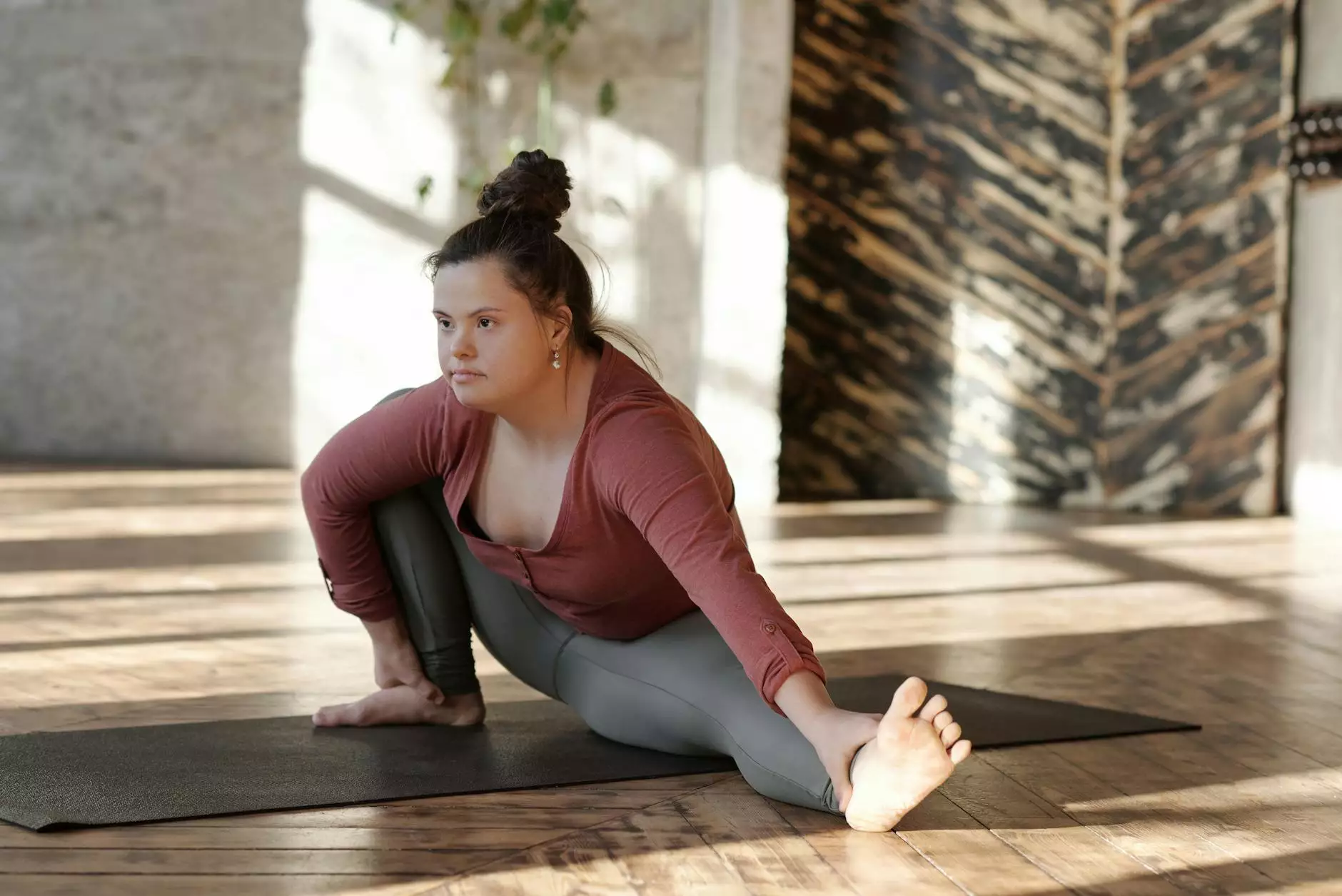
Strength and Pilates physiotherapy offers a holistic approach to enhancing physical health, recovering from injuries, and promoting overall wellness. This article delves deep into these innovative therapies, exploring their benefits, methodologies, and how they can transform physical health for individuals of all ages and fitness levels.
What is Strength and Pilates Physiotherapy?
Strength and Pilates physiotherapy combines traditional physiotherapy practices with the principles of Pilates, focusing on core stability, flexibility, and strength. This integration creates a robust framework for rehabilitation, allowing patients to regain functionality while promoting wellness.
The Origins of Pilates
Developed by Joseph Pilates in the early 20th century, Pilates was designed to aid dancers in rehabilitation and conditioning. It emphasizes controlled movements, breathing techniques, and postural alignment, greatly enhancing physical capability and recovery times.
The Role of Physiotherapy
Physiotherapy, on the other hand, is a clinical field that aims to improve movement and quality of life through physical rehabilitation, prevention, and health promotion. The strength and Pilates physiotherapy blend leverages the expertise of physiotherapists to provide tailored exercise regimens for individual needs.
Benefits of Strength and Pilates Physiotherapy
Incorporating strength and Pilates physiotherapy into your regimen presents numerous benefits:
- Injury Rehabilitation: Accelerates recovery by strengthening weakened muscles and improving flexibility.
- Enhancing Core Strength: Focuses on core muscles, improving balance and stability.
- Improved Posture: Corrects alignment, reducing the risk of musculoskeletal issues.
- Customized Programs: Tailored regimens cater to the unique needs of individuals, enhancing effectiveness.
- Stress Reduction: Promotes relaxation through mindful movement and breathing exercises.
- Enhanced Athletic Performance: Improves strength, flexibility, and recovery, benefiting athletes.
- Promoting Longevity: Regular practice leads to better health outcomes over time, supporting an active lifestyle.
The Science Behind Strength and Pilates Physiotherapy
Biomechanics and Muscle Engagement
At the core of strength and Pilates physiotherapy is the understanding of biomechanics. Proper muscle engagement ensures that exercises are performed safely and effectively. Key principles include:
- Controlled Movement: Each exercise is performed with deliberate pace, minimizing injury risks.
- Deep Muscle Activation: Focuses on engaging deep stabilizing muscles.
- Functional Training: Emphasis on movements that translate to daily activities and sports.
The Mind-Body Connection
Another critical element is the mind-body connection. Strength and Pilates physiotherapy encourages greater awareness of body movement, fostering improved coordination and dexterity. This not only enhances physical capabilities but also contributes to mental well-being.
Who Can Benefit from Strength and Pilates Physiotherapy?
Almost anyone can gain from the benefits of strength and Pilates physiotherapy. Here’s a closer look at who might find it particularly advantageous:
Injury Recoverees
Individuals recovering from injuries can utilize these therapeutic modalities to safely regain strength and mobility without risking re-injury.
Athletes and Fitness Enthusiasts
For athletes, a stronger core translates into better stability and performance. Incorporating these techniques into their training regimens can enhance outcomes, particularly in sports requiring agility and strength.
Individuals with Chronic Conditions
Those dealing with chronic musculoskeletal pain (such as arthritis or lower back pain) can utilize specific Pilates techniques focused on improving flexibility and core strength, alleviating discomfort over time.
Older Adults
As we age, maintaining strength and flexibility is essential. Strength and Pilates physiotherapy offers low-impact exercises suited to older individuals, promoting better balance and reducing fall risks.
How Does a Typical Session Look Like?
A typical session of strength and Pilates physiotherapy involves several key components:
Initial Assessment
Your physiotherapist will begin with a thorough assessment, discussing your medical history, current condition, and personal goals. This allows for a tailored program that fits your unique needs.
Warm-Up
Sessions often begin with a warm-up, focusing on gentle movements that increase blood flow and prepare the muscles for more intensive work.
Core Work and Strength Building
Central to the session will be exercises focusing on core strength and stability. This may include traditional Pilates movements like the “Hundred” or various balance exercises.
Cool Down and Stretching
Lastly, sessions conclude with cooling down and stretching to promote flexibility, aiding in recovery and relaxation.
Finding the Right Clinic for Strength and Pilates Physiotherapy
When searching for a suitable clinic for strength and Pilates physiotherapy, consider the following:
- Qualified Professionals: Ensure physiotherapists are certified and experienced in Pilates.
- Facilities and Equipment: Look for clinics equipped with modern Pilates machines and appropriate rehabilitation tools.
- Tailored Programs: A good clinic should offer personalized treatment plans based on your specific needs.
- Reputation: Read reviews and testimonials from former patients to gauge service quality.
The Impact of Strength and Pilates Physiotherapy on Everyday Life
Integrating strength and Pilates physiotherapy into your lifestyle can lead to transformative changes in your day-to-day life. Here are a few personal accounts from individuals who have reaped its benefits:
Case Study: Injury Recovery
Sarah, an avid runner, suffered a knee injury that sidelined her for months. She turned to strength and Pilates physiotherapy and worked closely with a trained therapist. Within weeks, she was able to return to light jogging, eventually making a full recovery, thanks to the strength she regained throughout her lower body.
Case Study: Improving Chronic Pain
John, a 60-year-old man dealing with persistent back pain, found relief through Pilates-based exercises tailored by his physiotherapist. After several months of regular sessions, he experienced significantly less discomfort and great functional mobility, leading to an overall improved quality of life.
Conclusion: Embrace the Benefits of Strength and Pilates Physiotherapy
Strength and Pilates physiotherapy provide an exceptional opportunity not only for recovery from injuries but also for enhancing overall physical fitness and well-being. With a holistic approach designed to tackle various weaknesses and promote core stability, this therapy is becoming a staple in the pursuit of long-term health.
Choosing this path means investing in your body and mind, cultivating strength, flexibility, and awareness that can transform your life.
Explore your options and see how strength and Pilates physiotherapy can work for you—it's a journey towards resilience, recovery, and revitalization.