The Ultimate Guide to Gutter Inspection: Protect Your Home
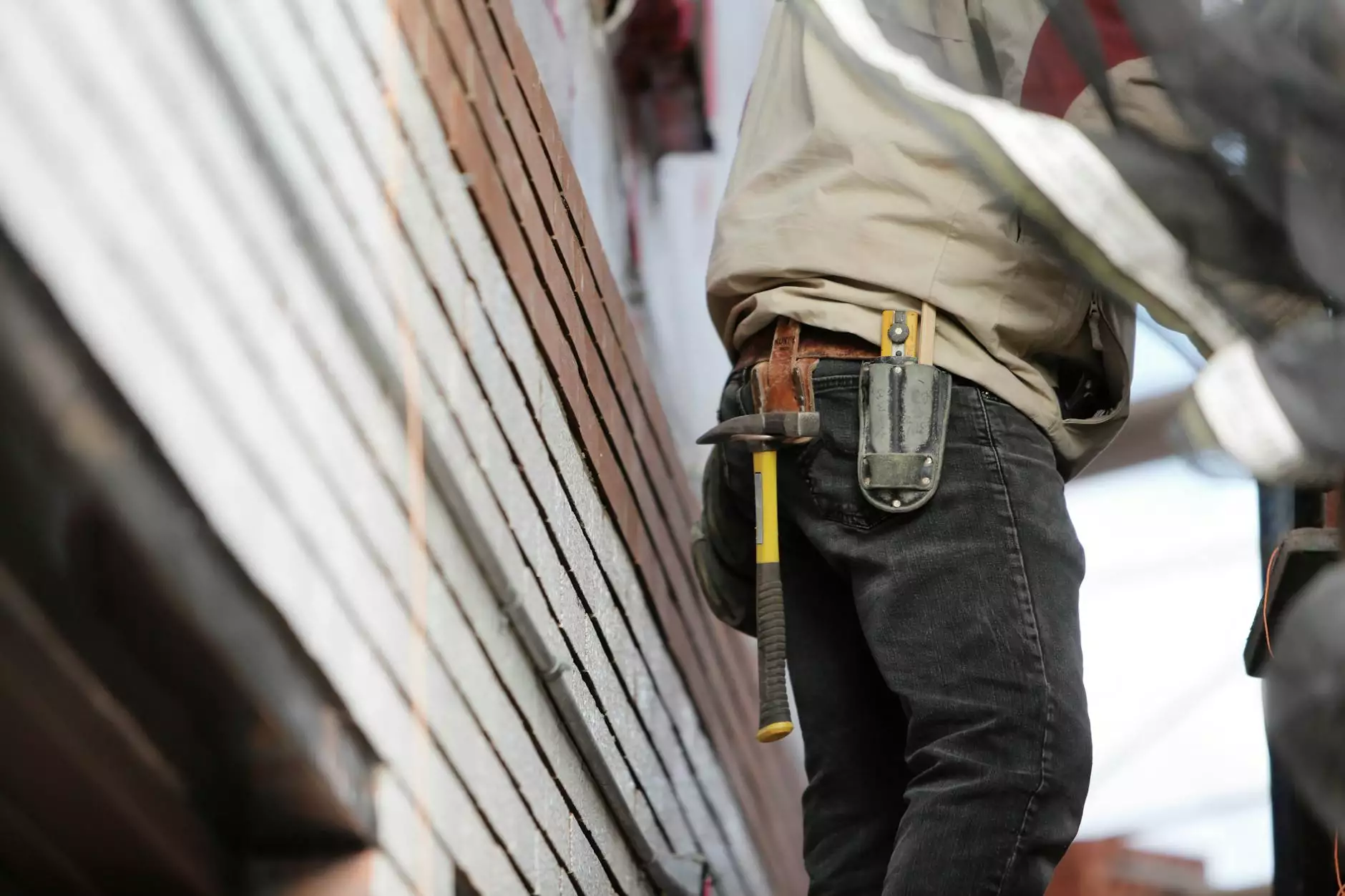
When it comes to maintaining your home, gutter inspection should be at the top of your priority list. Oftentimes, homeowners overlook this essential aspect of home maintenance, leading to potential disasters. In this comprehensive guide, we will delve deep into the significance of regular gutter inspections, signs that indicate the need for inspection, and tips on how to conduct a thorough inspection yourself or hire a professional.
Why Is Gutter Inspection Important?
Gutters play a crucial role in managing rainwater and protecting your home. They divert water away from your roof and foundation, preventing water damage, mold growth, and erosion. Regular gutter inspection helps ensure that your system is functioning properly, ultimately preserving the integrity of your home. Here are several reasons why gutter inspections are vital:
- Prevents Water Damage: Blocked or damaged gutters can lead to water pooling around the foundation, causing cracks and structural damage.
- Avoids Landscape Erosion: Properly functioning gutters direct water away from flower beds and landscaping, preventing erosion and preserving your yard's aesthetics.
- Mold and Mildew Prevention: Water that overflows from clogged gutters can seep into your home, leading to mold growth and health hazards.
- Extends the Life of Your Roof: Gutter problems can lead to roof leaks and other severe damage, increasing the need for premature roof repairs or replacements.
Signs That Indicate the Need for Gutter Inspection
Being proactive about gutter inspection means knowing the signs that indicate it's time to check your gutters. Keeping an eye out for these warning signs can save you from costly repairs:
- Water Damage on Your Walls: Brown stains on interior walls may signify overflowing gutters.
- Pooling Water: Puddles forming around your home's foundation can point to gutter issues.
- Sagging Gutters: If your gutters are pulling away from your home, they may be filled with debris or damaged.
- Overflowing Gutters: When it rains, do you notice water spilling over the sides of your gutters? This indicates a blockage.
- Visible Debris: Leaves, twigs, and other debris accumulating in your gutters can hinder performance.
How to Conduct a Thorough Gutter Inspection
Conducting a gutter inspection doesn't have to be daunting. Below, we outline a step-by-step guide to help you inspect your gutters effectively:
1. Gather Your Tools
Before you start, gather the necessary tools:
- Sturdy ladder
- Gloves
- Flashlight
- Garden trowel or scoop
- Bucket
- Water hose
2. Safety First
Ensure safety by placing the ladder on a stable surface. If possible, have someone assist you while you climb.
3. Inspect the Outside of The Gutters
Look for visible signs of damage, such as:
- Pitting or rust
- Cracks or holes
- Separation seams
Note any areas that may need repair or replacement.
4. Clear the Debris
Using your gloves, remove leaves, twigs, and any other debris accumulated within the gutters. This step is crucial to ensure proper water flow.
5. Check Downspouts
Ensure downspouts are clear of blockages by running water through them. If the water doesn't flow smoothly, it might require further clearing.
6. Test with Water
After clearing debris, use a garden hose to run water through the gutters and downspouts. Look for:
- Proper drainage
- Leaks or drips where sections join
- Slow drainage indicating deeper blockages
7. Check for Leakage
During the water test, monitor your home’s exterior and foundation. Any signs of leakage require immediate attention.
8. Assess the Pitch
Your gutters should slope slightly towards the downspouts. If they are flat or sloped incorrectly, water will not drain effectively. Adjustments might be necessary.
9. Schedule Regular Inspections
To maintain the health of your gutter system, schedule inspections at least twice a year - ideally in the spring and fall.
WHEN TO HIRE A Professional for Gutter Inspection
While DIY gutter inspections can be beneficial, certain situations warrant hiring a professional. Consider contacting experts if:
- Your home is multi-story and you are uncomfortable with heights.
- You suspect extensive damage that requires specialized repair.
- It has been several years since your last inspection, and you’ve noticed warning signs.
The Benefits of Hiring Experts for Gutter Inspection
Choosing professional services for your gutter inspection comes with several advantages:
- Experience and Knowledge: Experts know what to look for and how to identify potential problems.
- Safe Practices: Professionals follow safety protocols that minimize risks associated with ladder work.
- Comprehensive Services: Beyond inspection, they often offer cleaning, repair, and installation services.
- Time-Saving: Hiring professionals can save you valuable time and effort, allowing you to focus on other tasks.
Choosing the Right Gutter Service Provider
When selecting a professional for your gutter inspection, consider the following tips:
1. Check Credentials
Ensure the company is licensed, insured, and has a solid reputation. Look for customer reviews and testimonials.
2. Experience Matters
Choose a service provider with extensive experience in gutter inspection and maintenance.
3. Written Estimates
Request detailed written estimates before any work is done. This transparency helps you avoid unexpected costs.
Conclusion
Regular gutter inspection is a vital part of home maintenance that can save you from serious damage down the line. By performing inspections yourself or hiring skilled professionals, you ensure that your home stays safe from water damage, extends the lifespan of your roofing system, and preserves your property’s value. Your gutters work tirelessly to protect your home, so give them the attention they deserve. For reliable gutter inspection and maintenance services, consider reaching out to [Gutter Solution](https://guttersolution.us) to keep your gutters in optimal condition.