Understanding the Power of Precision Mold Factories in Metal Fabrication
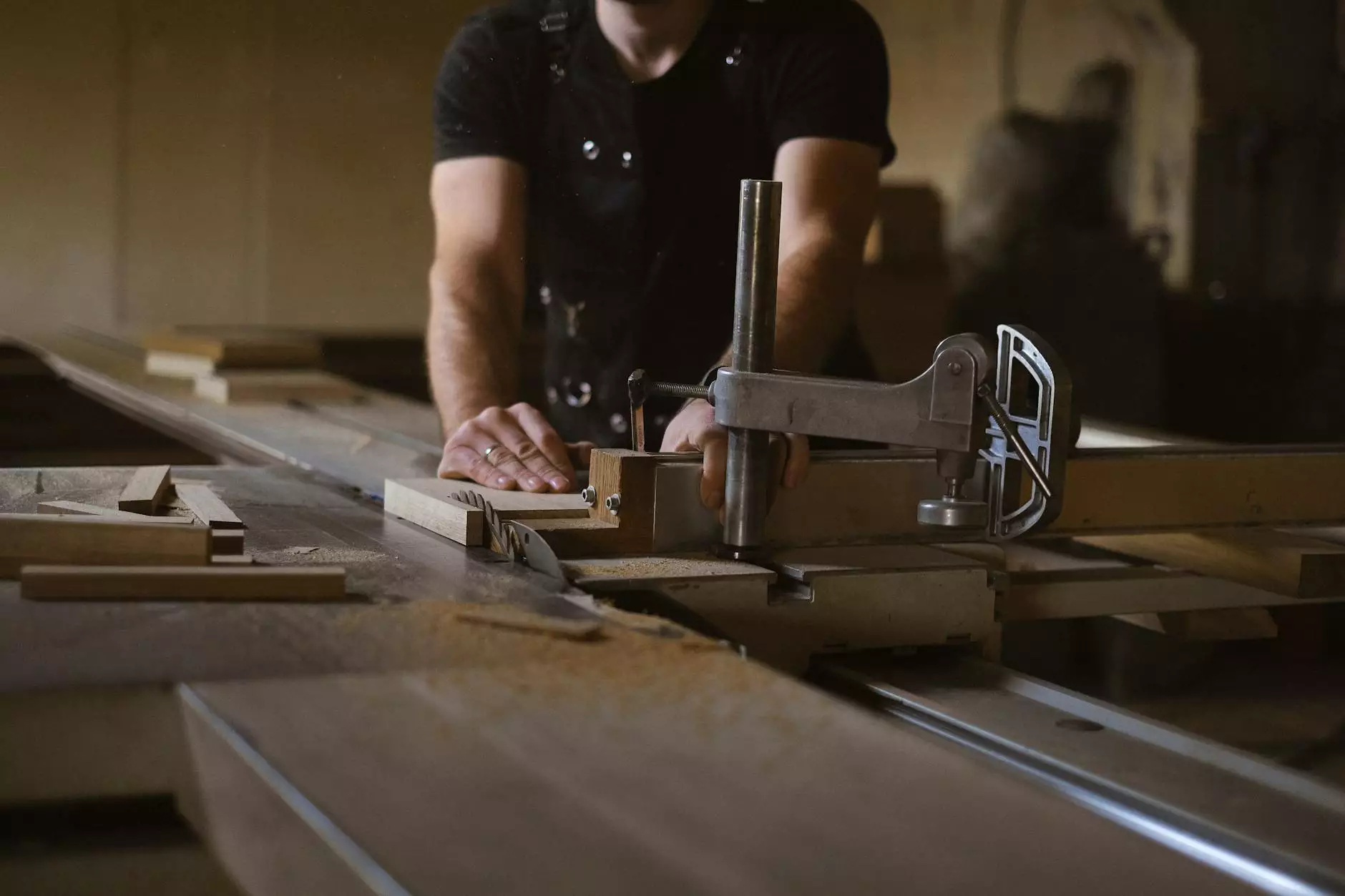
In the realm of modern manufacturing, the role of precision mold factories is critical, particularly in the metal fabrication sector. These facilities are equipped with advanced technology that allows them to produce precise molds for various applications. This article will delve into the intricacies of precision mold manufacturing, exploring the processes, benefits, and considerations when selecting a mold factory.
The Importance of Precision in Mold Manufacturing
Precision in mold manufacturing is more than just a desirable feature; it's a necessity. Molds that lack precision can result in defects, inconsistencies, and ultimately, financial losses. Here are some reasons why precision is paramount:
- Quality Control: High precision ensures that products meet strict quality standards.
- Cost Efficiency: Precise molds minimize material waste and reduce production costs.
- Enhanced Performance: Products manufactured using precise molds tend to perform better and last longer.
- Market Competitiveness: Companies utilizing precision manufacturing can offer superior products, gaining a competitive edge.
Key Processes in Precision Mold Manufacturing
The process of creating precision molds involves several key steps. Each step is crucial in ensuring the final product meets the required specifications.
1. Design and Prototyping
The first step in mold manufacturing is the design phase. Using sophisticated CAD software, engineers create detailed mold designs. During this stage, prototyping is often performed using 3D printing technologies. Prototypes allow for the testing of designs before the actual manufacturing begins.
2. Material Selection
Choosing the right materials is vital in mold production. Factors such as durability, thermal conductivity, and cost all play significant roles in material selection. Common materials include:
- Steel: Known for its durability and ability to withstand high pressures.
- Aluminum: Lighter and easier to machine, often used for prototypes.
- Plastics: Suitable for low-volume production runs.
3. Machining and Finishing
Once the design and materials are finalized, the machining process begins. This involves:
- CNC Machining: Computer Numerical Control (CNC) machines are used to mill, drill, and shape the mold.
- EDM (Electrical Discharge Machining): This technique is invaluable for creating complex geometries.
- Surface Treatment: Finishing processes increase durability and improve the mold’s surface characteristics.
4. Quality Assurance
After machining, rigorous quality assurance testing is performed. It ensures that all aspects of the mold adhere to required specifications. Techniques include:
- Dimensional Inspection: Checking the mold against blueprints for dimensional accuracy.
- Functional Testing: Running trial production runs to ensure performance.
Benefits of Partnering with a Precision Mold Factory
Choosing to work with a precision mold factory offers numerous advantages for businesses looking to enhance their manufacturing processes. Here are some key benefits:
Innovation and Technology
Precision mold factories invest in the latest technologies, including CAD/CAM software, 3D printing, and advanced CNC machines. This innovation allows businesses to:
- Stay Competitive: Adopting new technologies can enhance production efficiency.
- Access Expertise: Factories employ skilled engineers and technicians familiar with the latest methods.
- Reduce Lead Times: Advanced technologies streamline the manufacturing process, delivering products faster.
Customization and Flexibility
Every manufacturing project is unique. Precision mold factories offer customization options that cater to specific needs, including:
- Specialized Molds: Ability to create molds tailored to unique specifications.
- Flexible Production Capabilities: Accommodating low and high-volume production runs.
Cost-Effective Solutions
Although there may be an initial investment associated with precision mold manufacturing, the long-term savings are significant due to:
- Reduced Waste: More precise molds lead to less material waste during production.
- Lower Repair Costs: High-quality molds require fewer repairs and replacements.
- Improved Production Yields: Fewer defects translate to higher product yields.
Choosing the Right Precision Mold Factory
Selecting the right precision mold factory is a crucial decision for any business in the metal fabrication sector. Here are some criteria to consider:
1. Experience and Expertise
Look for a factory with a proven track record in precision molding. An experienced manufacturer is more likely to understand the complexities involved and deliver high-quality results.
2. Technology and Equipment
Evaluate the machinery and technology used by the factory. Cutting-edge equipment often leads to better precision and efficiency.
3. Customer Service and Support
Choose a manufacturer that offers excellent customer support. Continuous communication is key during the molding process to address any issues that may arise.
4. Client Testimonials and Portfolio
Review testimonials from past clients and the factory's portfolio to assess their capability and reliability. A strong reputation is indicative of quality service.
Future Trends in Precision Mold Manufacturing
The landscape of precision mold manufacturing is ever-evolving, driven by technological advancements and market demands. Here are some trends to watch:
1. Automation
Increased automation in mold manufacturing processes is likely to improve efficiency and reduce production costs. Robotics and AI are paving the way for smarter factories.
2. Sustainability
With growing concerns about environmental impact, precision mold factories are exploring eco-friendly practices, such as:
- Recycling Materials: Using recycled materials in mold production.
- Reducing Emissions: Adopting cleaner manufacturing processes.
3. Advanced Materials
Research into new materials, such as lightweight composites and advanced alloys, enhances mold performance and offers new possibilities in product development.
Conclusion
In conclusion, the role of precision mold factories in the metal fabrication industry cannot be underestimated. By offering high-quality, precise molding solutions, these factories contribute significantly to producing reliable and efficient products. Manufacturers looking to enhance their capabilities should consider partnering with a precision mold factory to reap the benefits of innovative, customized, and cost-effective solutions. As technology and practices continue to evolve, embracing these advancements will be crucial for staying competitive in today’s market.