Lung Operations: Understanding the Procedure, Benefits, and Recovery
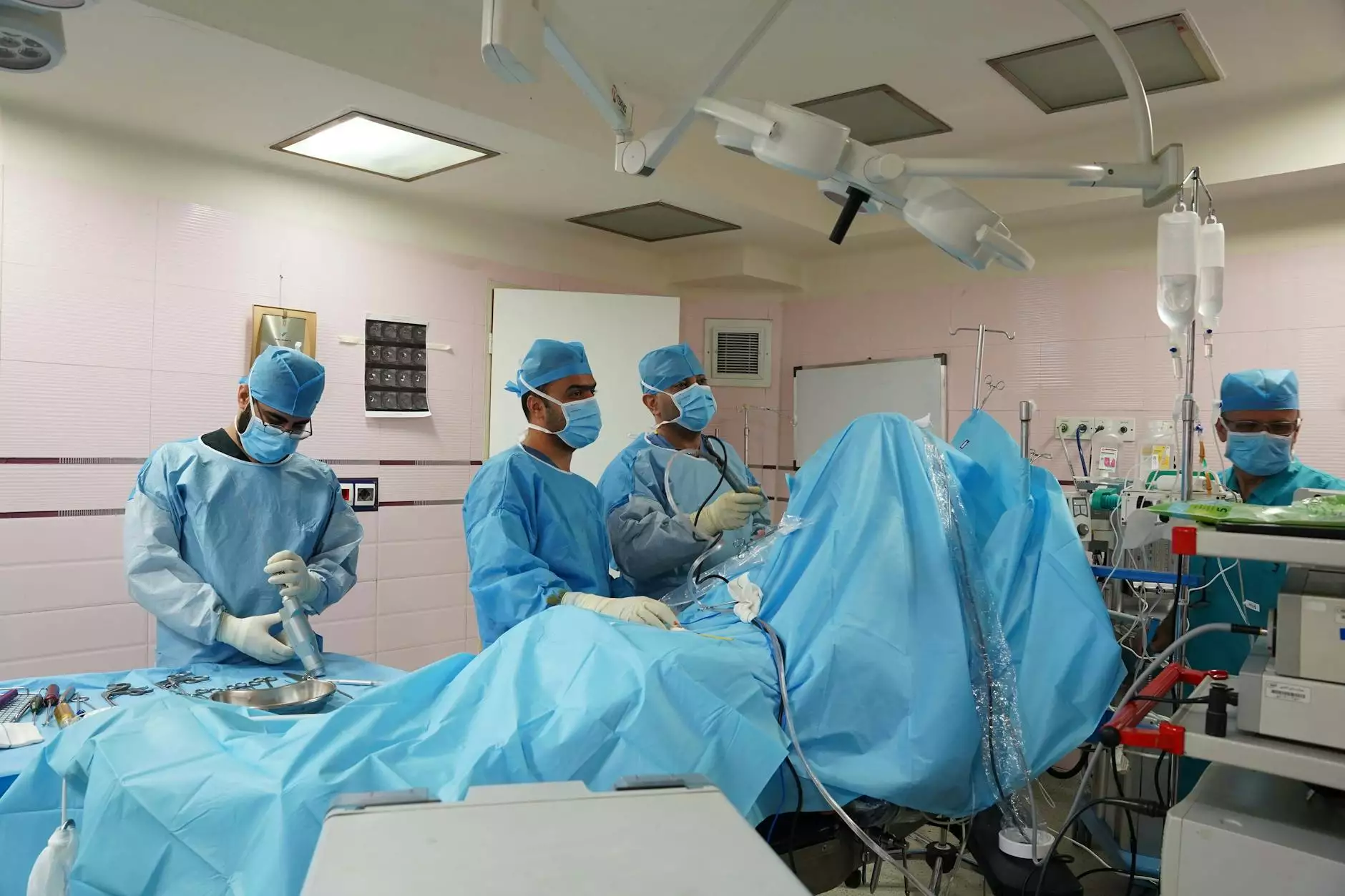
Lung operations are critical surgical interventions aimed at improving respiratory health. They can be necessary due to various conditions affecting the lungs, such as cancer, chronic obstructive pulmonary disease (COPD), or severe infections. This article delves deeply into the essential aspects of lung operations, outlining what patients can expect before, during, and after these procedures. Our goal is to provide a comprehensive overview that informs and empowers individuals seeking help from Neumark Surgery.
Types of Lung Operations
There are several types of lung operations, each tailored to address specific medical conditions:
- Lobectomy: This procedure involves the removal of one of the lobes of the lung. It is commonly used to treat lung cancer or severe infections.
- Pneumonectomy: This significant surgery entails removing an entire lung, typically reserved for extensive disease affecting the lung.
- Segmentectomy: In this operation, only a segment of the lung lobe is removed, which can be effective for smaller tumors.
- Video-Assisted Thoracoscopic Surgery (VATS): A minimally invasive technique utilizing small incisions and a camera to guide the surgical procedure.
- Bronchoscopy: While not a traditional "operation," this procedure involves using a thin tube to view the airways and carry out biopsies or remove blockages.
Why is Lung Surgery Necessary?
Understanding the necessity of lung operations often begins with the underlying conditions. Some of the most common reasons for these surgical interventions include:
- Cancer: Lung cancer is a leading cause of cancer death worldwide. Surgery can effectively remove tumors and improve survival rates.
- Infections: Severe lung infections, such as tuberculosis or lung abscesses, may necessitate surgical intervention if antibiotics cannot resolve the issue.
- Emphysema and other COPD conditions: In certain cases, surgery may help alleviate chronic obstruction and improve breathing.
- Trauma: Injuries to the chest area can require surgical repairs to the lung.
Preparing for a Lung Operation
Preparation for a lung operation is crucial for ensuring the best possible outcomes. Here are some key steps typically involved in the preparation process:
- Medical Evaluation: A thorough assessment, including imaging studies like CT scans and pulmonary function tests, will be conducted to evaluate lung capacity and function.
- Discussing Risks and Benefits: It's essential for patients to have in-depth discussions with their healthcare team regarding the risks, benefits, and expected outcomes of the surgery.
- Preoperative Tests: Blood tests and other diagnostics will be performed to assess overall health and readiness for surgery.
- Quitting Smoking: Patients are generally advised to quit smoking at least four to six weeks before surgery to enhance recovery.
- Arranging Post-operative Care: Planning for recovery, including arranging help at home, is critical for a smooth transition post-surgery.
The Lung Operation Procedure
The actual lung operation procedure may vary depending on the type of surgery being performed. However, the general steps involved can include:
- Anesthesia: Most lung surgeries are done under general anesthesia, ensuring that the patient is completely unconscious during the procedure.
- Incision: Depending on the type of surgery, a large incision or several smaller ones may be made in the chest wall.
- Performing the Surgery: The surgeon will carefully access the lung tissue, removing the necessary lobe, segment, or mass while ensuring minimal damage to surrounding tissues.
- Closure: After the surgical work is completed, the chest is closed using sutures or staples, and in some cases, a drain may be placed to help remove fluid accumulation post-surgery.
Recovery After Lung Surgery
Post-operative recovery is a vital aspect of the lung operation process. The recovery timeline can vary based on the type of surgery and the patient’s general health. Here are some general recovery expectations:
- Hospital Stay: Patients usually stay in the hospital for a few days post-surgery for monitoring and initial recovery.
- Pain Management: Proper pain management is crucial and may involve medications prescribed by the healthcare team.
- Breathing Exercises: Patients are encouraged to practice breathing exercises to enhance lung function and prevent complications such as pneumonia.
- Physical Activity: Gradual increase in physical activity is advised, starting with short walks and progressively advancing as tolerated.
- Follow-Up Care: Regular follow-up appointments with the surgical team will be scheduled to ensure proper healing and address any concerns.
Potential Risks and Complications
Like any surgical procedure, lung operations come with risks. Some potential complications include:
- Infection: The risk of infection exists with any surgery, including lung operations.
- Bleeding: Some patients may experience bleeding requiring further medical intervention.
- Pneumonia: Post-operative pneumonia is a risk, particularly for those with compromised lung function.
- Reduced Lung Capacity: Patients may experience a decrease in lung function, particularly if a significant portion of lung tissue is removed.
Expert Care at Neumark Surgery
At Neumark Surgery, our team of experienced surgeons and healthcare professionals is dedicated to providing comprehensive care for patients requiring lung operations. We offer state-of-the-art facilities, personalized treatment plans, and a commitment to excellence in surgical care. Here are some reasons why choosing Neumark Surgery for your lung operation is an excellent decision:
- Expert Surgeons: Our surgical team is highly skilled and experienced in various lung surgeries, ensuring your procedure is performed by a trusted professional.
- Advanced Technology: We utilize the latest advancements in surgical technology, including minimally invasive options that reduce recovery time and enhance outcomes.
- Patient-Centric Care: Your comfort and well-being are our priorities. We offer comprehensive pre- and post-operative support tailored to your needs.
- Collaborative Team Approach: Our multidisciplinary team works together to provide holistic care, addressing all aspects of your health and recovery.
Conclusion
Lung operations can significantly enhance the quality of life for individuals facing severe respiratory issues. Understanding the types of lung surgeries, preparation processes, and recovery expectations is essential for patients and their families. At Neumark Surgery, we are here to guide you through every step of your surgical journey. If you or a loved one requires a lung operation, do not hesitate to contact us for expert care and support. Your health is our priority!