The Art of Grating Wasabi: Elevating Culinary Experiences
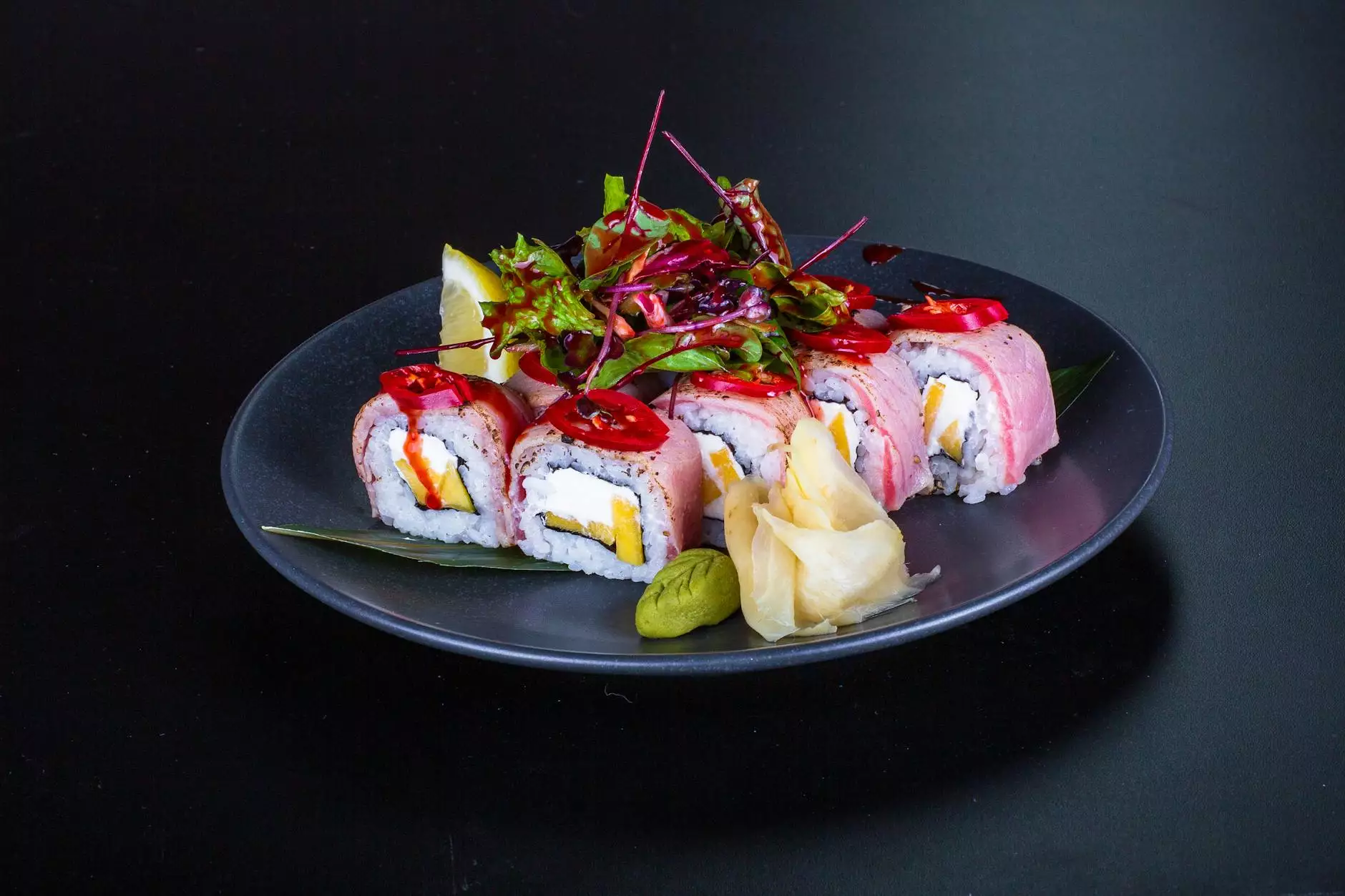
In the heart of Japanese cuisine lies a secret that elevates dishes from ordinary to extraordinary: grating wasabi. This vibrant green root is not only revered for its pungent flavor but also for its unique preparation method that transforms the dining experience. In this comprehensive article, we will explore the significance of wasabi in Japanese culinary traditions, the intricate techniques for grating wasabi, and how these practices impact sushi bars and restaurants in today's gastronomic landscape.
Understanding Wasabi: A Culinary Essential
Wasabi, a plant native to Japan, has been a staple in Japanese cuisine for centuries. Often mistaken for horseradish, it is essential for true sushi aficionados. The key component of wasabi that contributes to its sharp flavor is a compound called allyl isothiocyanate, which stimulates the nasal passages rather than the palate. This unique profile makes it a perfect accompaniment for a variety of dishes, particularly sushi.
The Historical Significance of Wasabi
Wasabi has deep cultural roots in Japan, dating back to the 8th century when it was first cultivated along the mountain streams of the country. Initially prized for its medicinal properties, it eventually gained popularity as a culinary delicacy. Grating wasabi became an art form, celebrated for both its technique and the quality of the wasabi itself.
The Process of Grating Wasabi
The technique of grating wasabi is not merely a task; it is a meaningful ritual that can significantly influence the flavor and aroma of the final dish. Let's delve into the steps involved in properly preparing fresh wasabi.
1. Selecting the Right Wasabi
- Freshness is Key: Always choose fresh wasabi rhizomes over powdered options for a superior taste experience.
- Quality Matters: Opt for authentic wasabi (Wasabia japonica) rather than imitation products made from horseradish.
2. The Grating Process
The grating of wasabi is a nuanced process. Here’s how it’s done:
- Tools: Use a traditional sharkskin grater (or oroshi), which is specially designed for grating wasabi. This tool helps to achieve the perfect texture and release essential oils.
- Technique: Grate the wasabi in a circular motion against the rough surface of the grater. This technique ensures that the wasabi is finely grated, enhancing its flavor profile.
- Time is Essential: Serve the wasabi immediately after grating. The flavors and aroma begin to dissipate shortly after being exposed to air.
3. Understanding Texture and Flavor
The texture of freshly grated wasabi can vary from a smooth paste to a coarser consistency. Fine grating yields a more intense flavor, while a coarser grate provides a milder taste, making it versatile for different dishes. Balancing the texture will depend on personal preference and the specific culinary application.
Why Freshly Grated Wasabi Matters in Sushi Bars and Restaurants
For sushi bars and restaurants, the use of freshly grated wasabi is a hallmark of quality and dedication to the culinary arts. Here are some reasons why it matters:
- Authenticity: Offering freshly grated wasabi is a testament to a restaurant’s commitment to authentic Japanese cuisine, which can enhance the overall dining experience.
- Flavor Enhancement: Fresh wasabi offers a vibrant flavor that elevates the taste of sushi, sashimi, and other dishes, creating an unforgettable experience.
- Customer Satisfaction: Diners appreciate the freshness, and it can set a restaurant apart from competitors that use pre-packaged or powdered alternatives.
Pairing Wasabi with Sushi: A Culinary Symphony
The combination of wasabi with sushi is a match made in culinary heaven. Here are a few recommendations for pairing wasabi with various sushi types:
1. Nigiri Sushi
For nigiri sushi, a small dab of freshly grated wasabi placed between the fish and the rice enhances the overall flavor profile. The heat complements the natural taste of the fish, making each bite more enjoyable.
2. Sashimi
When it comes to sashimi, serving a side of freshly grated wasabi allows diners to control the heat, enhancing the delicate flavors of the seafood. It’s a beautiful way to showcase the freshness and quality of the fish.
3. Maki Rolls
In maki rolls, mixing wasabi with soy sauce creates a delicious dipping sauce that brings various textures together. This fusion of flavors can turn any roll into an exquisite culinary masterpiece.
Incorporating Grated Wasabi Beyond Sushi
While wasabi is often associated with sushi, its uses extend far beyond this traditional pairing. Here are some innovative ways to incorporate grating wasabi into various dishes:
- Dressings: Whisk grated wasabi into vinaigrettes for salads to add a spicy kick.
- Seafood Dishes: Use wasabi in marinades or sauces for grilled seafood dishes, enhancing flavors remarkably.
- Soups: Incorporate wasabi into miso or other broths for a unique flavor addition.
Health Benefits of Wasabi
Besides its delightful taste, wasabi is also packed with health benefits:
- Anti-inflammatory Properties: Contains antioxidants that can reduce inflammation.
- Digestive Aid: Stimulates digestion and may help prevent foodborne illnesses by killing harmful bacteria.
- Rich in Nutrients: It is low in calories but rich in vitamins and minerals, making it a great addition to a balanced diet.
Conclusion: Grating Wasabi as a Culinary Art Form
Mastering the art of grating wasabi is a journey that every culinary enthusiast should embrace. From choosing the right wasabi to employing the proper grating techniques and pairing it effectively with dishes, each step contributes to an enriching dining experience. As sushi bars and restaurants continue to emphasize authenticity and quality, the significance of freshly grated wasabi will only grow. Embrace this vibrant ingredient, and elevate your culinary creations to new heights!
Explore more about wasabi and its culinary applications at realwasabi.com, your go-to source for authentic Japanese ingredients and culinary excellence.