Understanding Kitchen Remodel Prices: A Comprehensive Guide
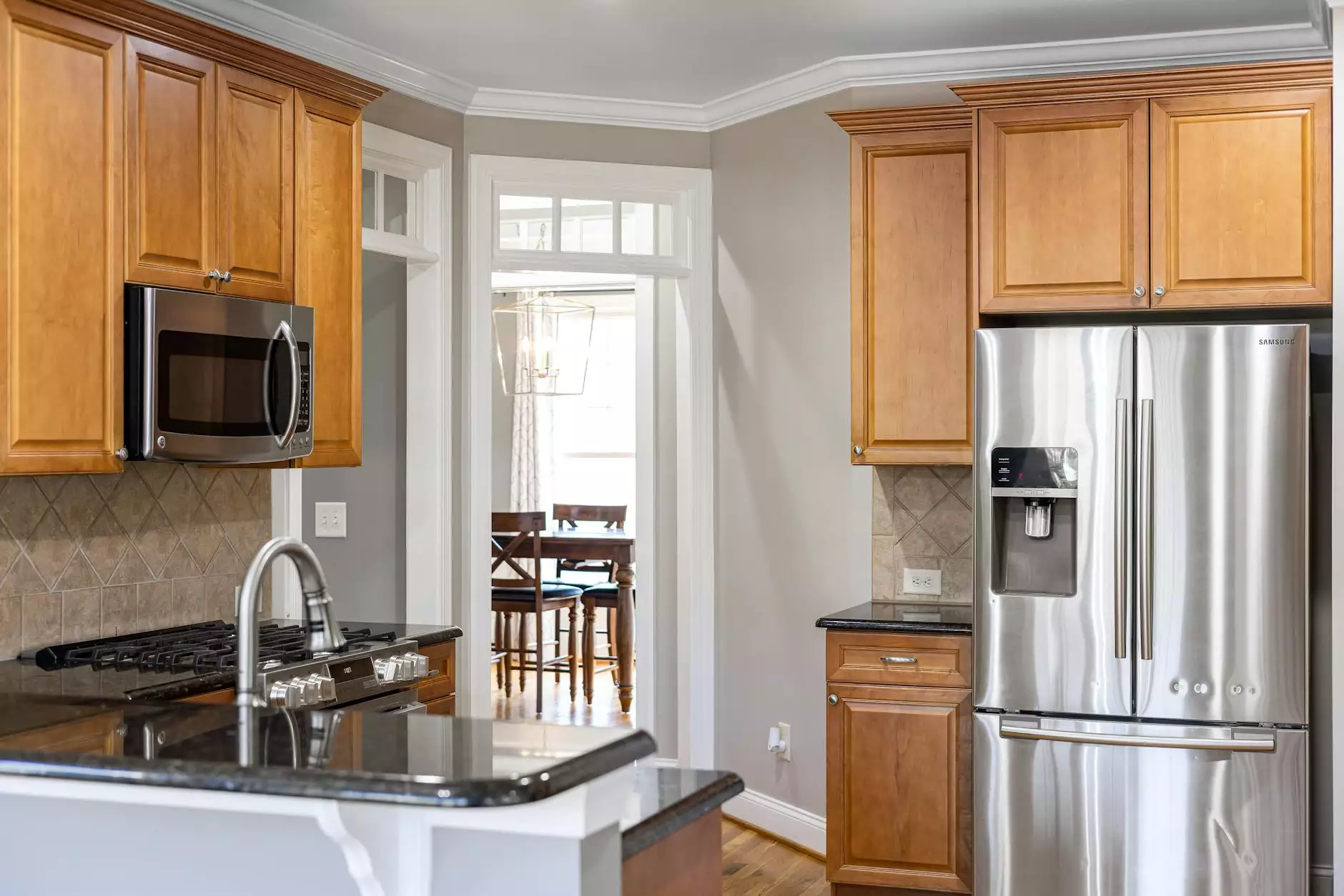
Kitchen remodeling can be one of the most rewarding yet challenging home improvement projects. It's not just about aesthetics; the kitchen is the heart of the home and a space where families gather, meals are prepared, and memories are made. However, understanding the associated kitchen remodel prices is essential to ensure that your renovation fits your budget and expectations. This article will dive deep into what influences kitchen remodel prices, how to plan your budget effectively, and what you can expect during your kitchen makeover journey.
Factors Affecting Kitchen Remodel Prices
When planning a kitchen renovation, several factors will influence the kitchen remodel price. Understanding these components will help you make informed decisions and manage your budget effectively.
1. Size of the Kitchen
The size of your kitchen is one of the most significant determinants of the remodel price. A larger kitchen will naturally require more materials, labor, and time; hence, the costs will increase. Conversely, a smaller kitchen generally means lower costs.
2. Scope of the Remodel
Are you looking for a simple kitchen makeover, or are you planning a complete gut renovation? The scope of work directly affects costs. A cosmetic update, such as painting cabinets or updating hardware, will cost substantially less than a complete renovation involving structural changes.
3. Quality of Materials
Materials can vary widely in quality and price. High-end materials like custom cabinets, granite countertops, or premium appliances will significantly increase your kitchen remodel price. Consider your needs and whether investing in high-quality materials is worth it for your lifestyle.
4. The Complexity of the Design
A more complex kitchen layout will typically require more planning and labor, which in turn increases costs. Custom designs that require unique cabinetry, intricate tiling, or elaborate lighting can raise your budget considerably.
5. Labor Costs
Labor costs can differ dramatically depending on your location and the expertise required for your renovation. Skilled labor such as experienced contractors, electricians, and plumbers will charge higher rates, which can influence the overall kitchen remodel price.
How to Budget for Your Kitchen Renovation
Creating a budget for your kitchen remodel can be overwhelming, but having a plan ensures you stay on track and avoid unexpected expenses. Here’s how to effectively budget for your kitchen renovation:
1. Establish Your Kitchen Remodel Goals
Before diving into costs, outline what you want to achieve with your kitchen renovation. Do you wish for more storage, enhanced functionality, or simply an updated look? Clarifying these goals will guide your budgeting process.
2. Determine Your Budget Range
Decide on a budget range based on your goals. A common rule of thumb is to allocate about 10% to 15% of your home’s value to kitchen renovations. For example, if your home is worth £300,000, aiming for a kitchen remodel budget between £30,000 and £45,000 is reasonable.
3. Research Average Kitchen Remodel Prices
Understanding the average costs for various kitchen remodel types can help you set realistic expectations. For example:
- Minor remodels: Typically range between £10,000 to £20,000.
- Mid-range remodels: Usually fall between £20,000 and £40,000.
- High-end remodels: Can exceed £40,000, reaching up to £100,000 or more for luxury upgrades.
4. Factor in All Costs
When budgeting, ensure you're considering all costs related to the renovation, including:
- Materials
- Labor
- Permits and inspections
- Design fees, if you choose to hire a designer
- Appliances and fixtures
- Unexpected expenses (always budget for at least 10% extra for surprises)
5. Prioritize Your Needs vs. Wants
As you outline your budget, distinguish between your essential needs (like installing a new oven) and your desired wants (like a wine fridge). Prioritizing will allow you to allocate your resources more effectively and ensure that your most important updates are completed.
Cost-Saving Tips for Your Kitchen Makeover
Renovating your kitchen can get expensive, but there are strategies to save money without compromising quality:
1. Reuse and Recycle
Consider reusing existing structures, such as cabinets or appliances. A fresh coat of paint or new hardware can make old cabinets look brand new. This saves a significant amount on the kitchen remodel price.
2. Shop Smart for Appliances
Appliances can be a large part of your kitchen renovation budget. Look for sales, consider floor models, or opt for energy-efficient appliances, which may qualify for rebates.
3. DIY When Possible
If you have skills in painting, tiling, or carpentry, consider tackling some tasks yourself. This can save you on labor costs. However, be realistic about your abilities—some tasks are best left to professionals to ensure quality and safety.
4. Get Multiple Quotes
When hiring contractors, always get multiple bids and don’t hesitate to negotiate. This can help you secure a better price for services rendered.
5. Be Flexible with Your Timeline
If you can wait until off-peak seasons for contractors, you might be able to get a better deal. Typically, contractor schedules become less busy during winter months, which may decrease your labor costs.
What to Expect During Your Kitchen Renovation
Once your budget is set and plans are in motion, it's essential to know what to expect during the renovation. Here is a general timeline and process for your kitchen remodel:
1. Planning and Design Phase
This initial stage may take several weeks. Collaborate with your contractor to finalize plans, choose materials, and finalize budgets. It's critical to solidify every detail at this stage to prevent unexpected costs later.
2. Demolition
If your project includes significant renovations, expect a demolition phase. This phase can be messy and loud, often lasting several days. However, it is vital to achieve your desired layout.
3. Construction
Once demolition is complete, contractors will begin the construction phase, which may include structural changes, plumbing, and electrical work. This phase can take a while depending on the complexity of your remodel.
4. Installation of Cabinets and Fixtures
After construction, installations will begin. This typically includes cabinets, countertops, sinks, and appliances. This is the stage where your kitchen will start to take shape.
5. Finishing Touches
The final phase includes painting, flooring, and adding finishing touches like backsplashes and fixtures. This stage brings everything together and adds the style you envisioned.
Conclusion
Embarking on a kitchen remodel can be a daunting process, especially when considering the kitchen remodel prices. However, with careful planning, informed budgeting, and a clear understanding of what influences costs, you can navigate your renovation with confidence. Remember to prioritize your needs, research thoroughly, and be flexible in your approach to achieve the kitchen of your dreams. Your kitchen is an investment in both your home and your lifestyle, so make it count!
For expert guidance and support throughout your renovation process, consider visiting kitchenmakeovers.co.uk—where we specialize in kitchen renewal, kitchen makeovers, and kitchen renovations to help bring your vision to life.