Understanding Counterfeit Dollars: A Comprehensive Guide
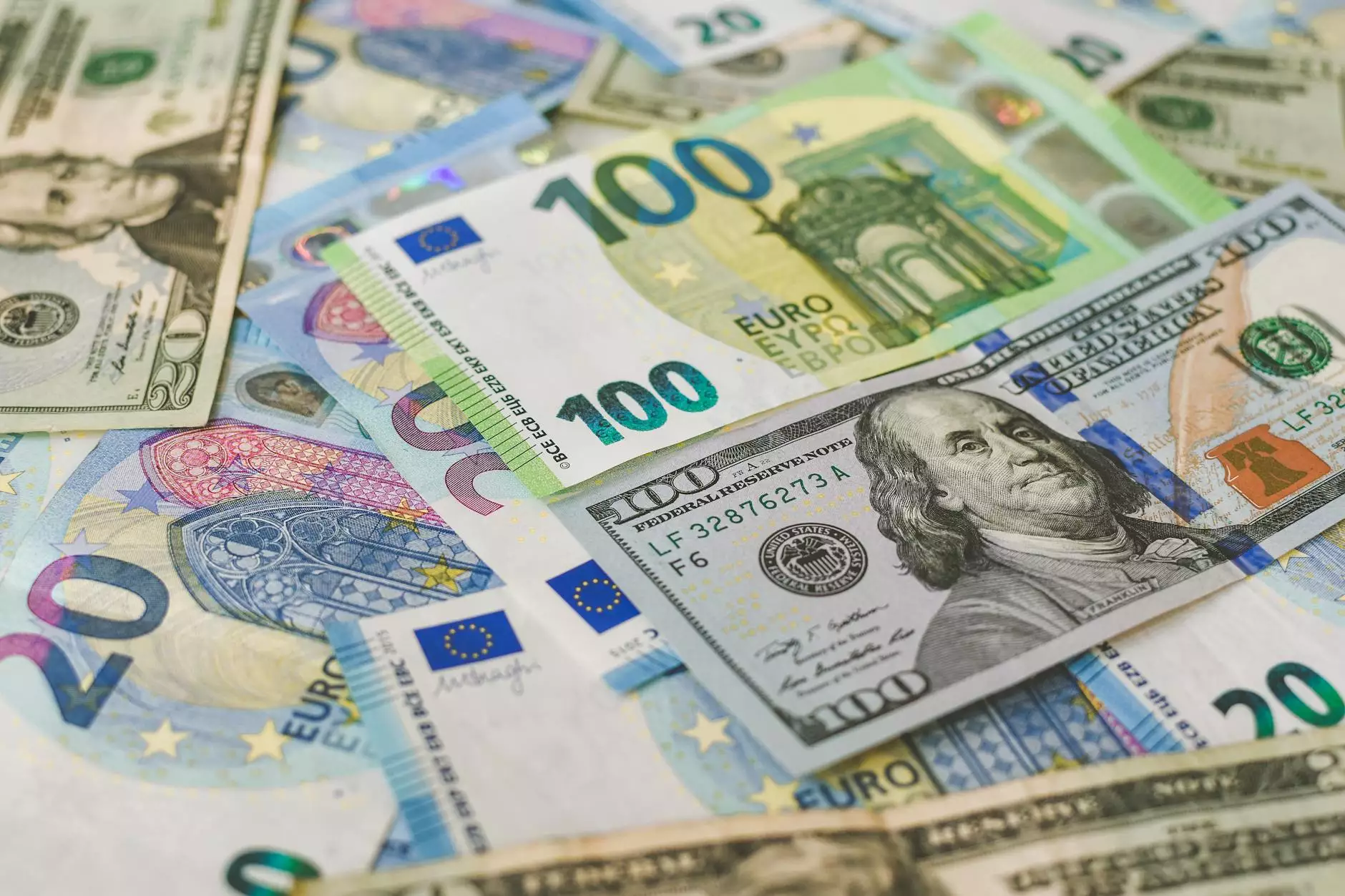
The world of counterfeit dollars poses unique challenges for businesses and consumers alike. In today's economy, with technology evolving rapidly, understanding how to navigate the complexities of counterfeit money is more important than ever. This article will delve deep into what counterfeit dollars are, their implications on businesses, the legal aspects surrounding them, and crucial ways to detect and avoid them.
What are Counterfeit Dollars?
Counterfeit dollars refer to fraudulent currency produced to mimic real money, intending to deceive individuals and businesses into accepting it as legitimate. These fake notes can be created using various techniques, including high-quality printing and advanced digital reproduction. The rise of counterfeit money has been facilitated by the availability of sophisticated printing technologies and tools, making it easier for criminals to produce convincing fakes.
The Evolution of Counterfeiting
Counterfeiting is not a new phenomenon; it has been around for centuries. The art of creating fake currency dates back to ancient times when coins were forged. However, with modern advancements, counterfeiters have shifted their focus to paper money. Today’s counterfeit dollars are more convincing than ever, often capable of passing through the scrutiny of the average person. This evolution underscores the importance of awareness and education in recognizing and dealing with counterfeit currency.
The Impact of Counterfeit Dollars on Businesses
Counterfeit dollars can have a devastating effect on businesses. From small local shops to large corporations, the implications of accepting fake money can lead to significant financial losses and damage to reputation.
Financial Losses
When a business inadvertently accepts counterfeit currency, it suffers an immediate financial loss. Not only is the value of the counterfeit note lost, but the business also loses the goods or services exchanged for the fake money. For example, if a store sells $100 worth of merchandise for a counterfeit $100 bill, they lose both the merchandise and the money they expected to keep.
Legal Consequences
Accepting counterfeit dollars is more than just a financial concern; it also carries legal ramifications. Businesses that knowingly or unknowingly accept and fail to report counterfeit currency can face serious legal charges. The U.S. Secret Service takes counterfeiting seriously, and violators could face hefty fines or imprisonment.
Damage to Reputation
In today’s hyper-connected world, news travels fast. A business known to consistently accept counterfeit money could suffer a damaged reputation, leading to loss of customer trust and loyalty. The impact on a business's image can sometimes be even more detrimental than immediate financial losses.
How to Detect Counterfeit Dollars
Detecting counterfeit dollars requires vigilance and knowledge of what to look for. The U.S. currency has several security features designed to help individuals and businesses identify counterfeit bills. Here are some key steps to ensure that you are dealing with authentic currency:
1. Examine the Bill
- Feel: Authentic bills have a specific texture due to the use of special paper. Counterfeit bills often feel smoother or different than real currency.
- Look: Check for a clear portrait in the center of the bill. Authentic bills have intricate details that are hard to replicate.
- Check the Color: Genuine U.S. currency includes color-shifting ink that changes color when viewed at different angles.
2. Use the Light Test
Hold the bill up to a bright light and look for the security thread embedded in the paper. This thread is visible from both sides of the bill and glows under UV light. The absence of this thread can indicate that a bill is counterfeit.
3. Verify the Watermark
All U.S. bills above $5 include a watermark that shows a ghost-like image of the bill’s portrait. If the bill is counterfeit, this watermark might be missing or wrongly positioned.
4. Utilize Technology
Incorporate counterfeit detection tools such as UV light pens or magnifying glasses. These tools can help quickly check for security features and identify duplicates.
Legal Measures Against Counterfeiting
The U.S. government has implemented various laws and regulations to combat counterfeiting. Understanding these laws is crucial for businesses who wish to protect themselves from the repercussions of accepting counterfeit dollars.
Counterfeit Coin and Currency Act
This act makes it illegal to produce, possess, or distribute counterfeit currency. Offenders can face hefty fines and imprisonment, depending on the severity of their actions. It also outlines the penalties for those who accept or use counterfeit money.
Collaboration with Law Enforcement
Businesses are encouraged to report counterfeit currency to local authorities or the U.S. Secret Service. By cooperating with law enforcement, companies can help reduce the prevalence of counterfeit bills and protect themselves from legal issues.
How Businesses Can Protect Themselves
Incorporating preventative measures into daily business operations can significantly reduce the risk of encountering counterfeit dollars. Here are some effective strategies for businesses:
1. Employee Training
Invest in training employees on how to identify counterfeit money. Regular workshops or training sessions can keep staff knowledgeable about detecting fake bills and understanding the implications of accepting them.
2. Implement Strict Cash Handling Procedures
- Keep cash registers clear and organized, and limit the amount of cash on hand.
- Encourage the use of electronic payment methods to reduce cash transactions.
- Establish clear procedures for dealing with suspected counterfeit money.
3. Regular Audits and Cash Flow Checks
Conduct regular audits and cash flow checks to ensure that financial records are accurate. Regularly rotating cash drawers and changing out old bills can also help in minimizing risks associated with counterfeit currency.
The Future of Counterfeit Dollars
As technology continues to advance, so too will the methods used to combat and create counterfeit dollars. Digital currencies and electronic payment methods are becoming more prevalent, which may change the landscape of currency altogether. However, as long as physical cash exists, the threat of counterfeiting will also persist.
Digital Currencies and Their Impact
The rise of cryptocurrencies introduces a new dimension in tackling counterfeiting. Digital currencies are encrypted and typically harder to forge. Future innovations in digital payment technologies may significantly reduce the reliance on physical cash and, consequently, the counterfeiting of paper money.
Enhanced Security Features
In response to rising counterfeit threats, governments and financial institutions are continuously enhancing the security features of currency. Innovations such as holograms, digital watermarks, and biometric authentication may soon become standard, further complicating the lives of counterfeiters.
Conclusion
Understanding counterfeit dollars is essential for anyone operating in the realm of business. The risks posed by counterfeit money affect not only individual businesses but the economy as a whole. By recognizing the signs of counterfeit currency, implementing protective measures, and staying informed about the ever-evolving landscape of currency and cybersecurity, businesses can mitigate risks and safeguard their financial well-being.
In the end, knowledge is power. Equipping yourself and your employees with the tools needed to detect counterfeit bills is vital in today’s economy. Together, we can work towards a future where counterfeit dollars are less prevalent, ensuring that businesses can thrive in a safe and secure environment.