Ultimate Guide to the In Office Hysteroscopy Procedure: Advancing Women's Reproductive Health
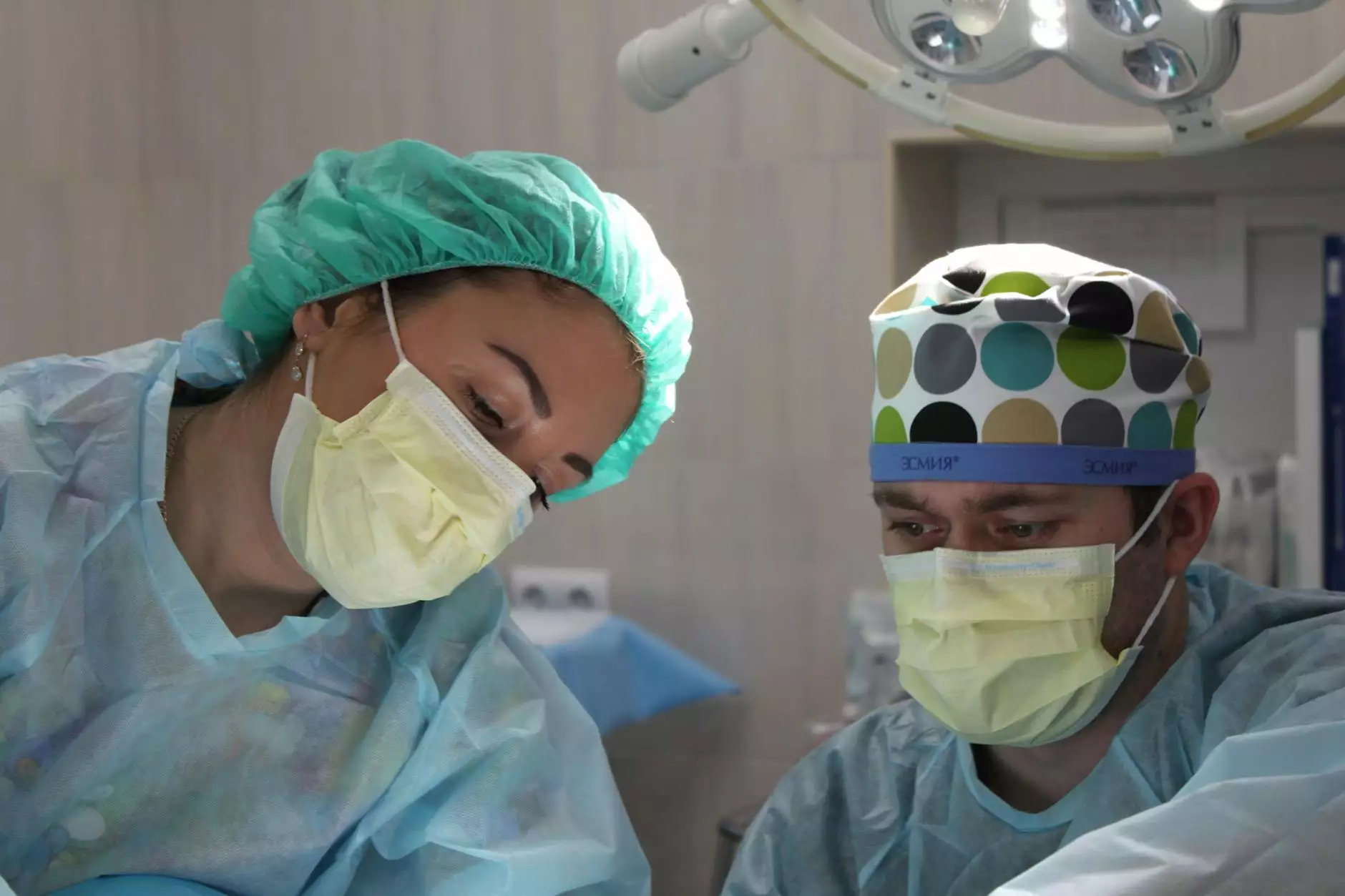
In office hysteroscopy procedure has emerged as a groundbreaking technique transforming the landscape of gynecological diagnostics and treatments. It offers women an efficient, minimally invasive, and cost-effective way to address various intrauterine conditions without the need for hospitalization or general anesthesia. This comprehensive article explores the nuances of this innovative procedure, highlighting its benefits, technical aspects, indications, and why it’s becoming the preferred choice for many obstetricians & gynecologists worldwide.
Understanding the In Office Hysteroscopy Procedure
The in office hysteroscopy procedure is a minimally invasive diagnostic and therapeutic technique that allows gynecologists to directly visualize the uterine cavity using a thin, flexible hysteroscope. Unlike traditional hysteroscopy performed in an operating room under general anesthesia, the in-office version is performed in a clinic setting, offering maximum convenience and reduced patient discomfort.
What is Hysteroscopy?
Hysteroscopy is a procedure that utilizes a hysteroscope—an instrument equipped with a light and a camera—to examine the inside of the uterus. This allows for accurate diagnosis of intrauterine abnormalities such as polyps, fibroids, adhesions, congenital anomalies, and endometrial hyperplasia. It also enables simultaneous treatment, making it both a diagnostic and therapeutic tool.
How Does the In Office Hysteroscopy Differ From Traditional Methods?
- Location: Performed in a gynecological clinic or office setting rather than operating rooms.
- Anesthesia: Usually performed under local anesthesia or mild sedation, avoiding general anesthesia.
- Procedure Duration: Typically completed within 10-30 minutes.
- Patient Comfort: Designed to maximize patient comfort with minimal pain or discomfort.
- Cost-Effectiveness: Reduced costs compared to hospital-based procedures.
Benefits of the In Office Hysteroscopy Procedure
Adopting the in office hysteroscopy procedure offers numerous advantages that contribute to its rising popularity among women and healthcare providers alike:
1. Minimally Invasive
This procedure involves no incisions or large surgical instruments, minimizing trauma, scarring, and post-procedure recovery time. Women often return to daily activities shortly after the procedure.
2. High Diagnostic Accuracy
Direct visualization of the uterine cavity enables precise diagnosis. The ability to identify subtle intrauterine abnormalities that may be missed with less invasive imaging techniques, such as ultrasound, significantly enhances diagnostic reliability.
3. Therapeutic Capabilities
In addition to diagnosis, the in office hysteroscopy procedure allows for immediate treatment of identified conditions, such as polyp removal, fibroid segmentation, septum resection, and adhesiolysis, reducing the need for secondary procedures.
4. Cost-Effectiveness and Convenience
Performing hysteroscopy in an outpatient setting reduces hospitalization costs, anesthesia expenses, and the need for extensive preoperative preparations. Patients appreciate the flexibility of scheduling and the faster turnaround time for results.
5. Reduced Anxiety and Discomfort
Advancements in technology and patient-centered approaches have minimized discomfort, making the experience more tolerable. Many patients report little to no pain, and local anesthetics further improve comfort levels.
Clinical Indications for Performing In Office Hysteroscopy
The in office hysteroscopy procedure is indicated for a wide range of gynecological issues. Specific conditions include:
- Abnormal uterine bleeding (heavy, irregular, or prolonged periods)
- Recurrent pregnancy loss
- Suspected intrauterine polyps or fibroids
- Endometrial hyperplasia or malignancies
- Intrauterine adhesions or Asherman's syndrome
- Congenital uterine anomalies such as septa or T-shaped uterus
- Evaluation of intrauterine devices (IUDs)
- Infertility investigations
Contraindications to the Procedure
While generally safe, certain conditions may preclude the use of in office hysteroscopy, such as active pelvic infection, pregnancy, or significant uterine enlargement due to large fibroids or other pathologies.
The Step-by-Step Process of In Office Hysteroscopy
Understanding the procedure’s steps can demystify this minimally invasive approach:
Preparatory Phase
- Pre-procedure assessment includes medical history, physical exam, and sometimes ultrasound imaging.
- Patient is informed about the process, expected sensations, and post-procedure care.
- Pretreatment with pain-relief medication or antispasmodics may be recommended to enhance comfort.
Procedure Execution
- The patient is comfortably positioned in the gynecological examination table.
- The cervix is gently stabilized, and a speculum may be used to visualize the opening.
- Local anesthesia or a numbing gel can be applied to reduce discomfort.
- A small, flexible hysteroscope is inserted through the cervix into the uterine cavity.
- Saline or carbon dioxide gas distends the uterus, providing a clear view of the uterine lining.
- The gynecologist carefully examines the uterine walls, noting any abnormalities.
- If therapeutic intervention is needed, appropriate tools can be inserted through the hysteroscope to perform polypectomy, fibroid resection, or adhesiolysis.
Post-Procedure Care and Follow-Up
Following completion, patients are monitored briefly and then return home. Most women experience minor cramping or spotting, which typically resolves quickly. It is important to follow the healthcare provider’s instructions regarding activity restrictions, medications, and when to seek medical attention.
Safety and Risks Associated with In Office Hysteroscopy
The in office hysteroscopy procedure has an excellent safety profile when performed by experienced obstetricians & gynecologists. Potential risks include:
- Uterine perforation (rare)
- Infection (uncommon, minimized with sterile technique)
- Excessive bleeding
- Discomfort or pain during the procedure
Most of these risks can be mitigated through careful patient selection, skilled execution, and adherence to safety protocols.
The Future of Gynecological Care with In Office Hysteroscopy
The ongoing advancements in hysteroscopic technology and techniques are revolutionizing women's reproductive health management. The in office hysteroscopy procedure exemplifies this progress by offering an efficient, patient-friendly, and highly effective option for diagnosis and treatment.
Clinicians, especially at leading institutions such as drseckin.com, are increasingly adopting this minimally invasive approach, leading to improved outcomes, greater patient satisfaction, and reduced healthcare costs.
Why Choose Dr. Seckin for Your Gynecological Needs?
With years of experience, a commitment to pioneering methods, and a focus on patient comfort, Dr. Seckin is the expert you can trust for performing in office hysteroscopy procedure. The practice emphasizes personalized care, comprehensive diagnosis, and effective treatment, providing women with renewed confidence in their reproductive health journey.
Expertise in Obstetricians & Gynecologists
As specialists in Obstetrics & Gynecology, Dr. Seckin and team utilize cutting-edge technologies and evidence-based practices to deliver optimal results. Whether you are facing abnormal bleeding, fertility challenges, or are undergoing routine evaluations, their expertise ensures safe and effective care.
Final Thoughts: Empowering Women Through Advanced Gynecological Procedures
The in office hysteroscopy procedure is transforming the way women approach their reproductive health. Its minimally invasive nature, combined with high diagnostic accuracy and immediate treatment capabilities, makes it an invaluable tool in modern gynecology. As awareness increases and technology advances, more women will benefit from this remarkable procedure.
By choosing qualified specialists like those at drseckin.com, women can confidently address their gynecological concerns, leading to healthier lives and enhanced well-being. Remember, early diagnosis and intervention are keys to better health outcomes, making in office hysteroscopy an essential component of comprehensive women’s healthcare.